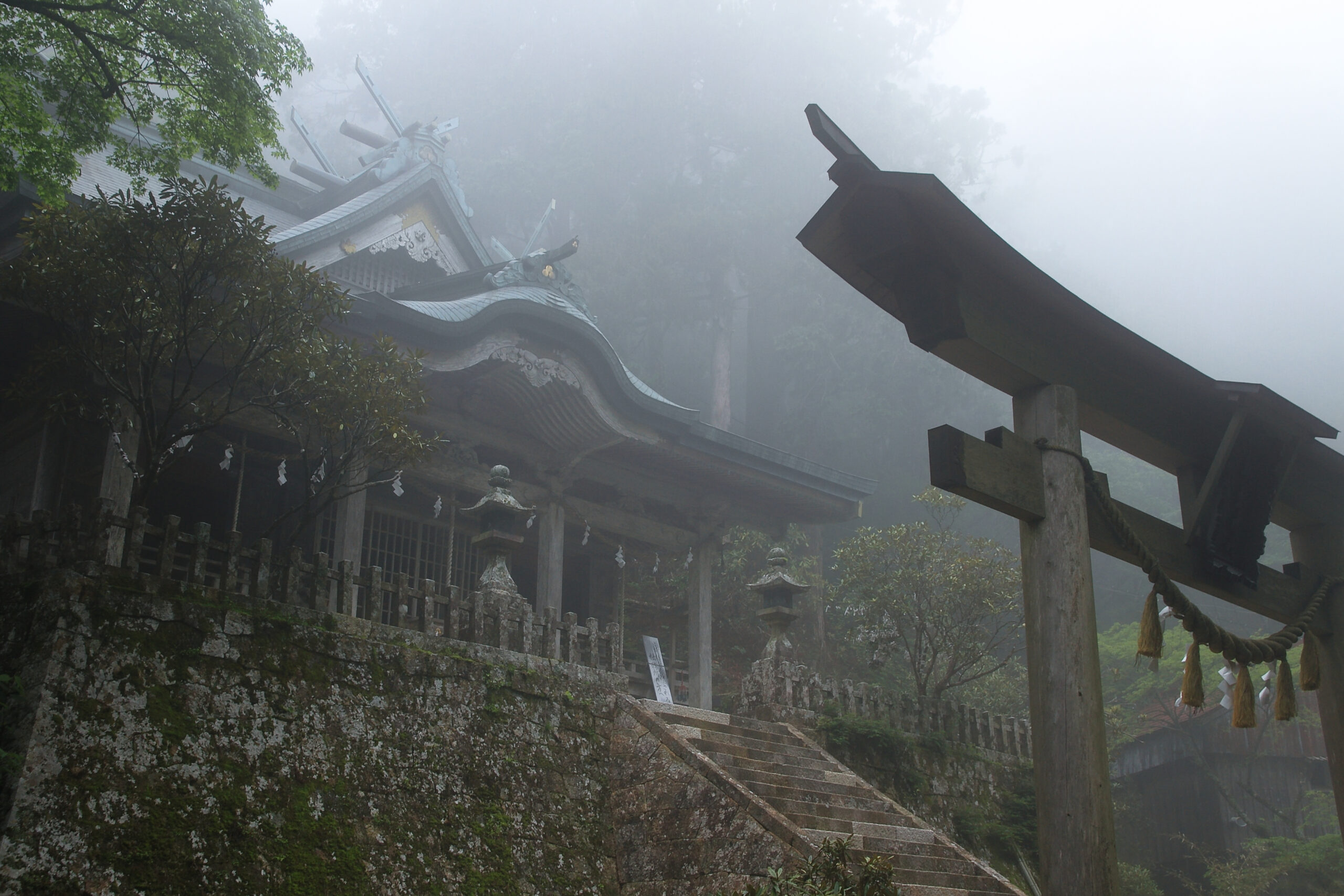
The dead sit upright,
and go to the mountain.
The customs of death in Totsukawa village
Inside the coffin, the dead are seated. Knees folded, legs crossed. The posture of someone ready to rise.
In Totsukawa, what goes into the coffin has long been agreed upon. A rice ball, and 666 yen.
The 666 yen is assembled carefully: one 500-yen coin, one 100-yen coin, one 50-yen coin, one 10-yen coin, one 5-yen coin, one 1-yen coin. Six denominations, six coins.
In Japanese Buddhist belief, the dead must cross a river before they reach the world beyond life. It is called the Sanzu — the River of Three Crossings. The river has three fords, each corresponding to the weight of one’s deeds in life. Crossing it is not free. For centuries, the dead across Japan were buried with six bronze coins placed in the coffin — rokumonsen, the six-coin fare. A coin for the crossing.
In Totsukawa, the coins changed with time. Ancient bronze became modern currency. But the number remained. Six coins from a wallet — totaling 666 yen — placed in the coffin before burial. The denomination changed. That is all it is, if that is all it is.
The rice ball is for the journey. The road is long. The dead will grow hungry. They are sent as travelers.
The denomination changed. That is all it is — if that is all it is.
In Totsukawa, burial has long meant burying upright.
The coffin used here is called a zakkan — a tall, cylindrical wooden box, made to hold the body seated, legs crossed, in the posture of meditation. The dead are not laid down. They enter the earth as someone who might, at any moment, stand.
Cremation has become nearly universal across Japan — today it accounts for over 99% of funerals nationwide. Totsukawa, deep in the mountains of southern Nara Prefecture, kept a different practice far longer than most. To bury the body whole, seated in the earth, was the form death took here for generations.
In Totsukawa, a single death requires two graves.
The practice is called ryōbosei — the dual grave system, found historically across parts of western and southern Japan. For each person who dies, two distinct sites are established.
The first is the uzume-baka, the burial grave: a place in the mountains, away from the village, where the body is interred. There is rarely a marker. No name is carved. The site is known only to those who carried the coffin there.
The second is the mairi-baka, the visiting grave: a stone marker placed within the village or on temple grounds, where the family returns to pray. This is where the name is engraved. This is where flowers are left.
Body and spirit go to different places. The flesh returns to the mountain soil. The soul remains, held in stone, near the village.
On burial days, white banners were raised — white being the color of mourning and of the funeral shroud in Japan. A procession would form and climb the narrow mountain path, the seated dead carried on shoulders. That image — the upright coffin moving slowly through the trees — is something the people of this village have witnessed for generations.
Ryōbosei — the dual grave system — is a burial practice historically found across parts of western, southern, and central Japan. The separation of the burial site from the worship site is believed to reflect a distinction between the physical body and the spirit, and may also have served practical purposes related to distance and soil conditions in mountain terrain.
Totsukawa has almost no Buddhist temples. It was not always this way.
In 1868, the newly formed Meiji government ordered the formal separation of Buddhism and Shinto — two traditions that had coexisted and deeply intertwined in Japan for over a thousand years. What followed was destruction: temples closed, statues smashed, monks forced back into secular life. In Totsukawa, all 51 temples in the village were abolished. For nearly 120 years afterward, not one was rebuilt.
Without temples, funerals were conducted according to Shinto rites. No monks came. No sutras were read aloud. And yet the dead were still sent — with a rice ball, 666 yen, seated upright in a tall wooden box.
What was placed in the coffin did not change. The religion around it shifted entirely. The logic inside held. Six coins for the crossing. Food for the road. Perhaps the practice of sending the dead as travelers — upright, ready to walk, ready to pay — was already here in these mountains before any organized religion arrived at all.
The religion changed. What was placed in the coffin did not.
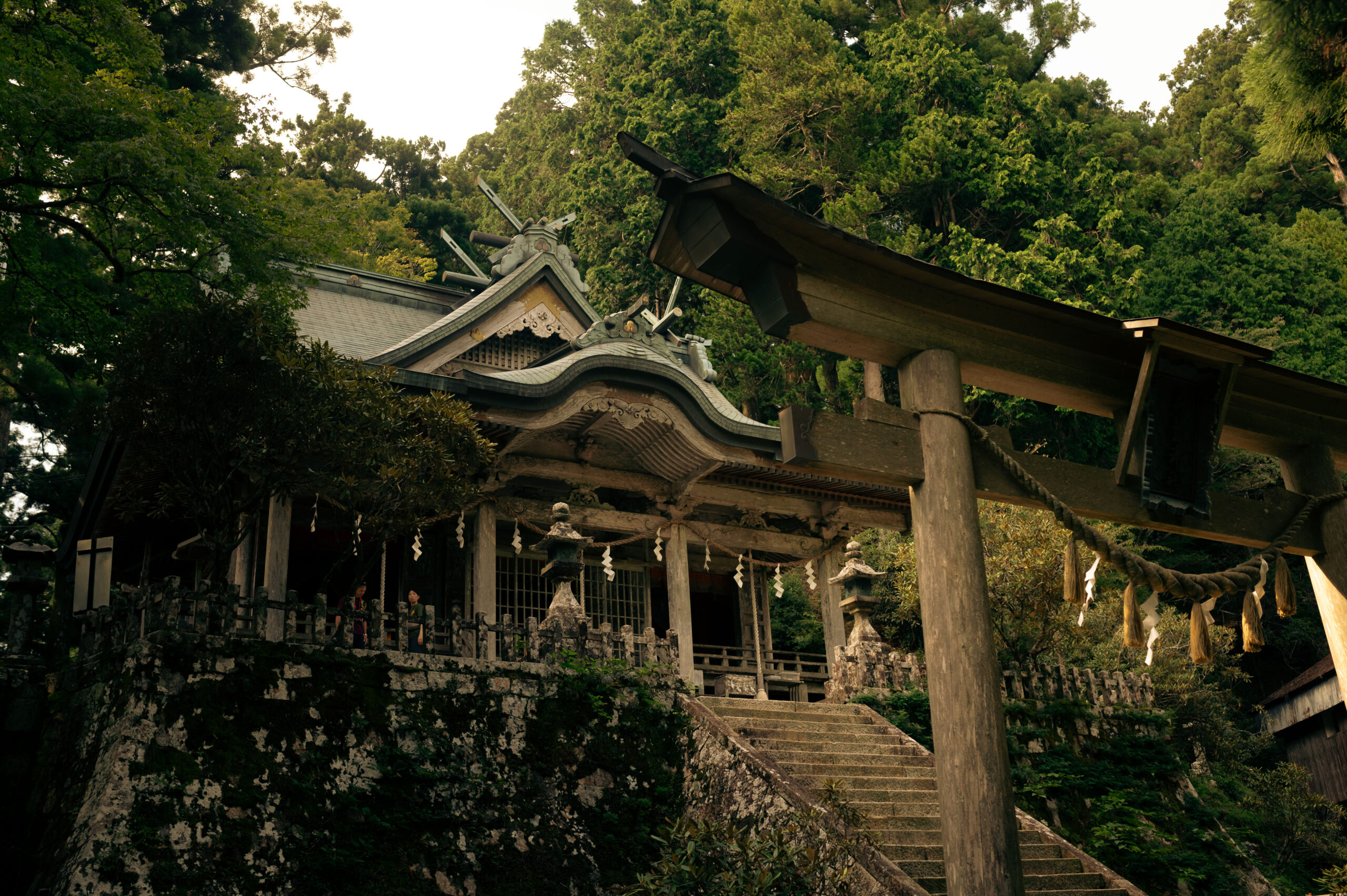
666 is a strangely specific number. One coin of each denomination in modern Japanese currency, gathered from a wallet, placed into a box, buried in a mountain. Centuries of belief compressed into loose change. In Totsukawa, that is how the dead have traveled. Or how they traveled, until recently.