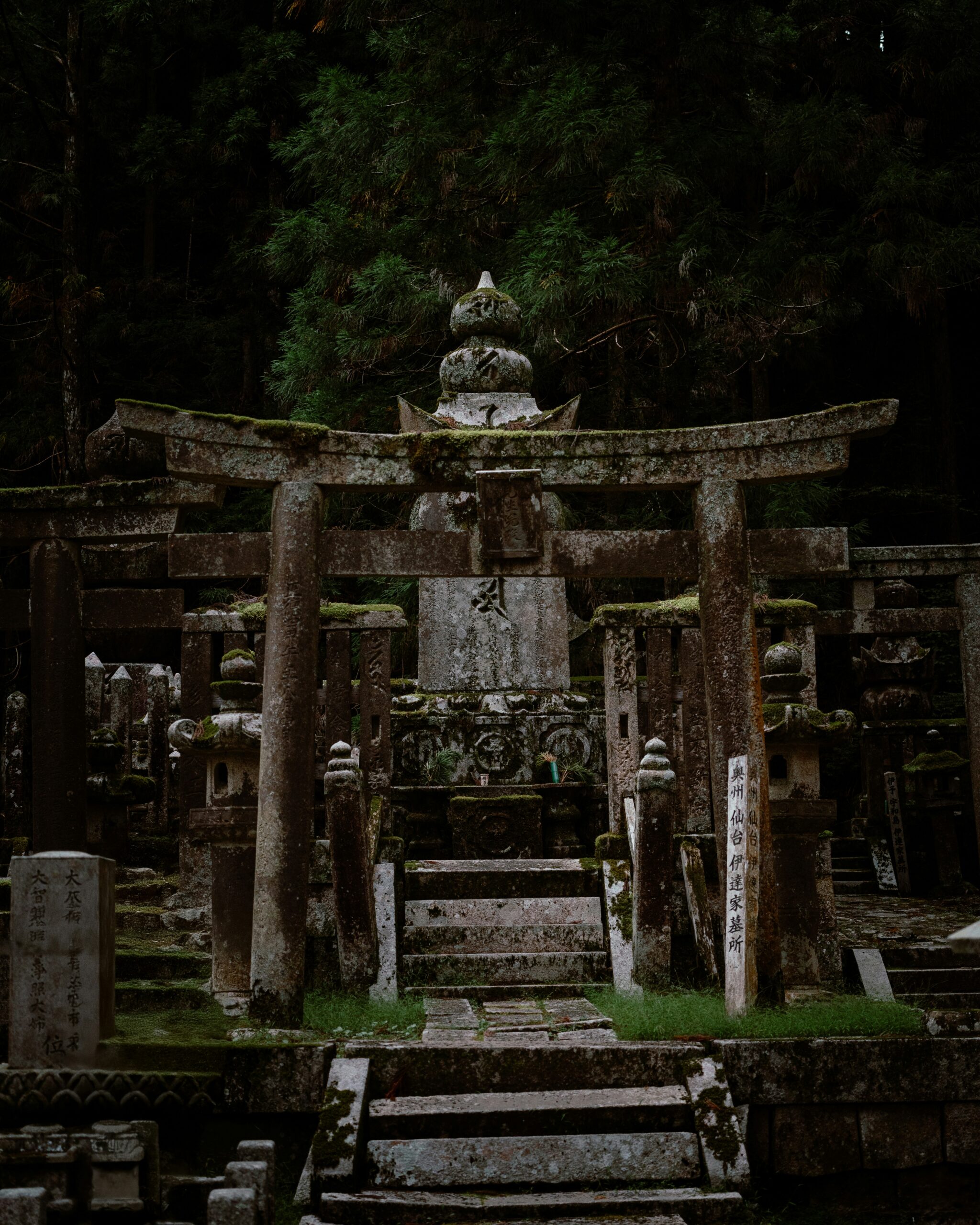
The teacher
was waiting.
Three months
before he died.
On Kukai, Huiguo, and the transmission of Esoteric Buddhism
Chang’an, Tang dynasty China. Qinglong Temple, 805 CE.
When Kukai stood before Huiguo for the first time, the old monk said:
“I knew you would come.”
It was their first meeting.
Kukai boarded the Tang dynasty envoy ship in 804, aged 31. He was not going for sutras. Sutras were already in Japan — copies, translations, commentaries.
What Kukai was looking for was something the sutras didn’t contain. Or rather: something that could not be written down at all.
Esoteric Buddhism is transmitted person to person — from teacher to student, through voice and gesture, in direct contact. Commit it to writing, and it ceases to be Esoteric Buddhism. That is why Kukai had to go to where the person was. He crossed the sea not to stand before a text, but to stand before a teacher.
Huiguo was the foremost Esoteric Buddhist master in Tang China. He carried the complete lineage that had passed from India to China, and had many students at Qinglong Temple.
And yet Huiguo had withheld something from all of them.
When Huiguo met Kukai, he is said to have told him: “I have been waiting a long time. Everything has been prepared for you.” To a stranger. An elderly master, seeing a young foreigner for the first time, saying this — those who witnessed it would not have understood why.
Esoteric Buddhism has two systems: the Womb Realm and the Diamond Realm — two mandalas depicting the truth of the universe from different angles. Ordinarily, no single student received both at the same time.
Huiguo gave Kukai both.
This was without precedent. Why? Huiguo died in December of that same year. Was there no time left? Or was Kukai simply the one person who deserved to receive it? Almost certainly both.
What could not be written down had to be passed on while the teacher was still alive.
The “secret” in Esoteric Buddhism does not mean hidden. It means: cannot be put into words.
Mantras must be spoken aloud. The initiation ceremony called kanjo is performed by a master pouring water over a student’s head. A mandala must be experienced by looking at it directly. None of these can be conveyed in writing.
That is why Huiguo was in a hurry. What cannot be written must be passed on before death. And the person who can receive it must arrive while the teacher is still alive. Kukai arrived in time.
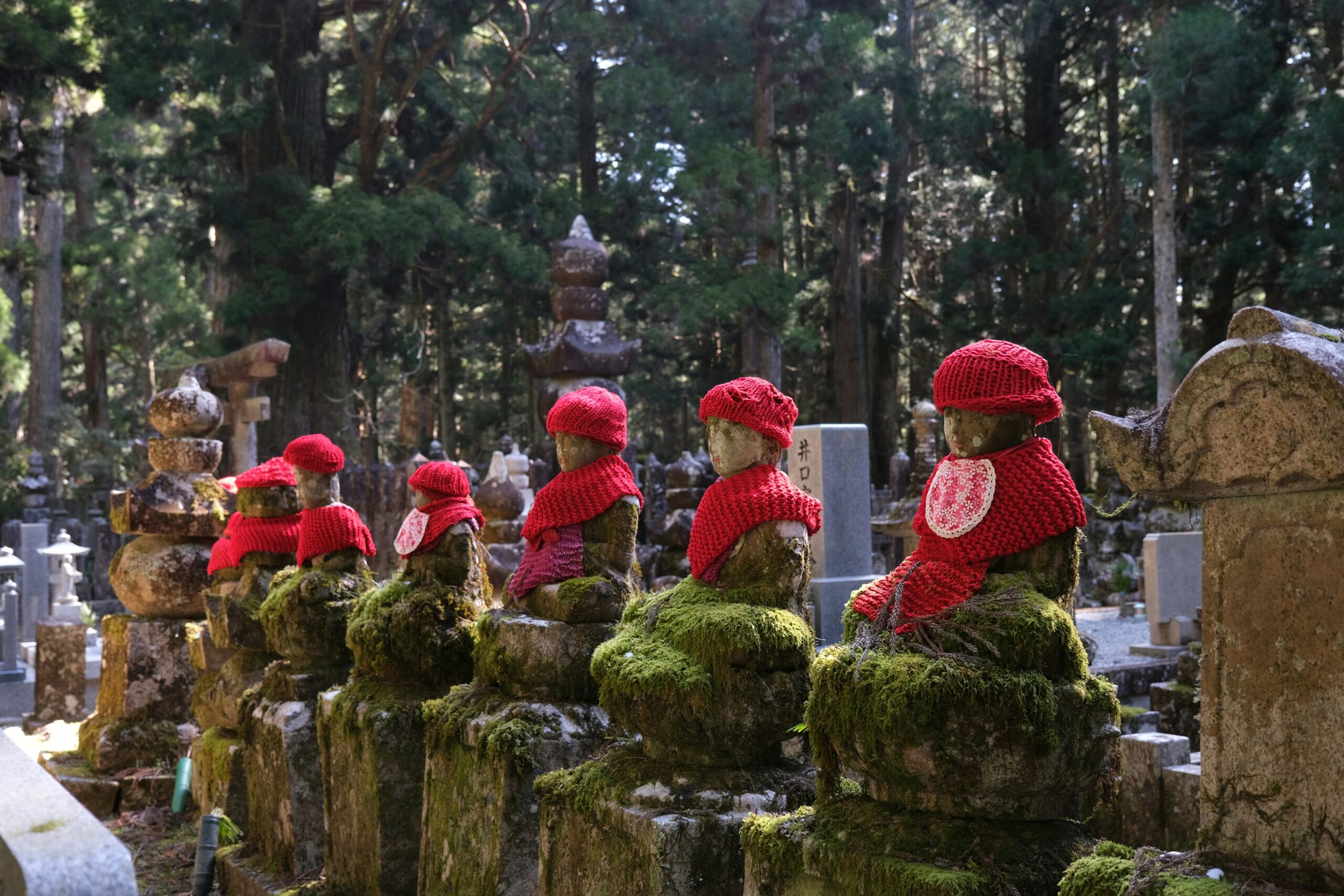
Huiguo passed away in December 805.
Kukai wrote his epitaph. In classical Chinese. A Japanese monk writing the epitaph of the Tang dynasty’s greatest Buddhist patriarch — and the quality of the writing was recognised by the Chinese themselves. A foreign student carved his teacher’s words in stone.
In the epitaph, Kukai recorded that his teacher “always watched over me.” And that Huiguo had said: “The dharma has been fully entrusted.” What needed to pass had passed.
Thirty years after his teacher’s death, Kukai entered eternal samadhi on Koyasan. Where he placed what Huiguo had given him — perhaps it is still there, deep in the inner sanctuary.