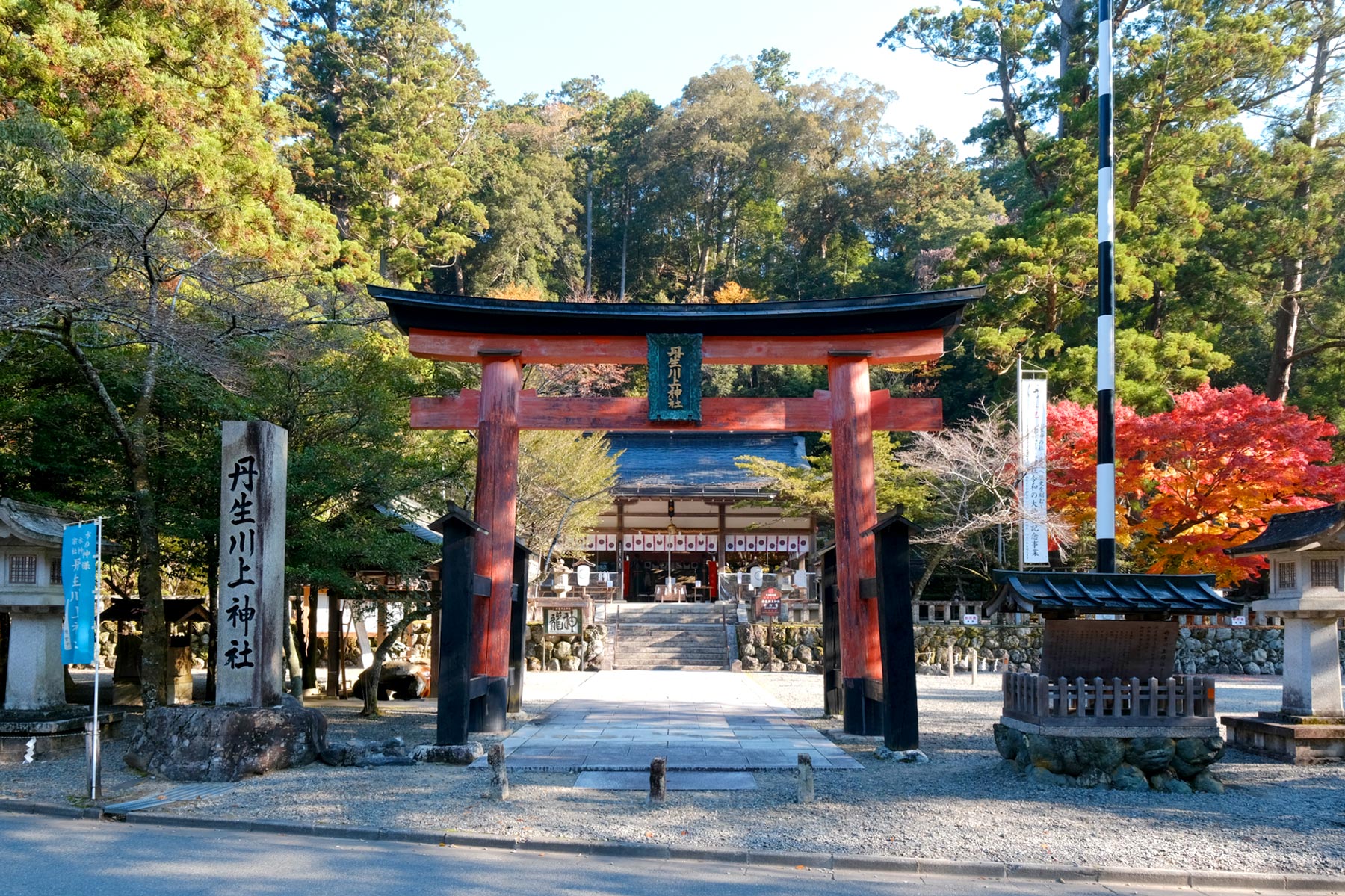
The court was
ordering rain.
Niukawakami Shrine and the deity of water
When drought came, the imperial court sent a messenger south. The destination was always the same. A single shrine, deep in the mountains of Yoshino. Ninety-six times in seven hundred years — by the count of surviving records alone. There is a place to which the state kept returning, each time, to ask for rain.
The earliest record dates to 675 CE, during the reign of Emperor Tenmu. The Nihon Shoki — Japan’s second-oldest official chronicle, compiled in 720 CE — notes that when drought struck, the imperial court dispatched an envoy to a place called Niukawakami, where a sacred horse was offered and rain was petitioned.
For seven hundred years after that, the pattern repeated. When rain failed to come, the court sent an envoy for kiu — the ritual petition for rain. When rain fell too heavily, they sent one for shiu — the petition to stop it. Each visit followed a formal protocol: specific offerings, specific procedures, a specific shrine.
It was less like prayer, and more like procurement. The court had established a reliable address for rain — one with a record of results — and maintained the relationship accordingly. For the imperial court, Niukawakami was where rain came from.
It was less like prayer, and more like procurement.
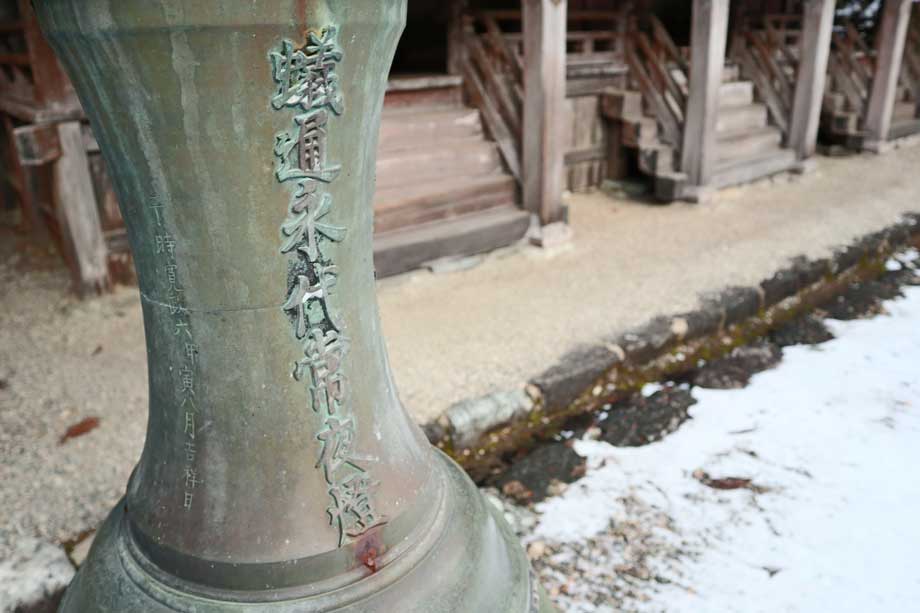
The principal deity of Niukawakami Chūsha is Mizuhanome no Kami — the goddess of water. Her origin in Japanese mythology is specific, almost physical. She was born from the urine of Izanami, the primordial goddess of creation, who had just been severely burned giving birth to Kagutsuchi, the deity of fire. The manner of Mizuhanome’s birth is not incidental. Fire causes the wound; water emerges from the wound. The logic is elemental.
Her name carries the meaning of “the source of water” or “the spiritual power within water used for irrigation” — the divine expression of an agricultural civilization’s most urgent dependence.
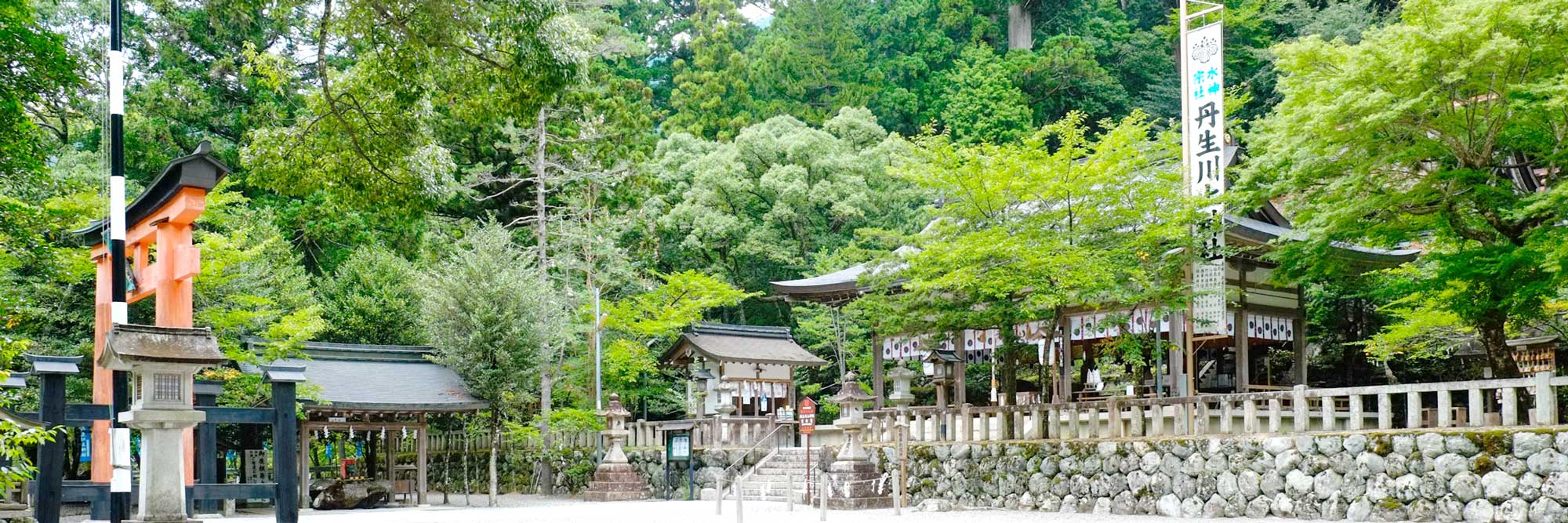
Within the shrine grounds, a smaller sanctuary enshrines two further deities: Takaokami no Kami and Kuraokami no Kami. The character okami (龗) is an archaic Japanese word for dragon. Takaokami is the dragon that dwells at the mountain peaks; Kuraokami is the dragon of the valleys and deep pools. Together with Mizuhanome, all three water deities across the three Niukawakami shrines — upper, middle, and lower — are present within the Chūsha grounds alone.
That water deities are enshrined here is not coincidence. The Kii mountain range receives among the highest rainfall in Japan; the headwaters of the Yoshino River and many others begin in these mountains. The mountain gathers water. Water descends to the fields. Placing a deity at the source was the instinctive logic of a farming society.
When rain was needed, a black horse was offered. When the rain needed to stop, a white horse. Black for storm clouds; white for clear sky. Horses were the most prestigious offering that could be made to the gods.
Procuring live horses for each petition, however, was not always possible. Over time, the practice shifted: horses were painted on wooden boards and offered in place of the real animal. This is believed to be the origin of the ema — the small wooden votive plaques found at Shinto shrines across Japan today, on which visitors write their wishes and hang them for the gods to receive. Seven hundred years of imperial horse offerings, eventually reduced to a painted board.
There are now three Niukawakami Shrines: the Lower Shrine in Shimoichi Town, the Middle Shrine in Higashiyoshino Village, and the Upper Shrine in Kawakami Village.
There was once only one. Over centuries the original location shifted, and amid the prolonged civil wars of the 15th and 16th centuries — a period that left much of Japan’s institutional memory in disarray — the site was lost. Scholars of the Edo and Meiji periods each identified different shrines as the authentic original, and the present three-shrine arrangement is the result of those competing claims settling into coexistence.
That three shrines now stand in three separate places is itself a record of the turbulence. The water deity did not remain in one location — or the humans who kept the records lost track of where it had been. Both are probably, in some degree, true.
The rivers still run through the Yoshino mountains. The sound of the water is unlikely to have changed much in a thousand years. The place to which the court’s envoys came, horses in hand, is still there — quiet now, and not asking for anything.